
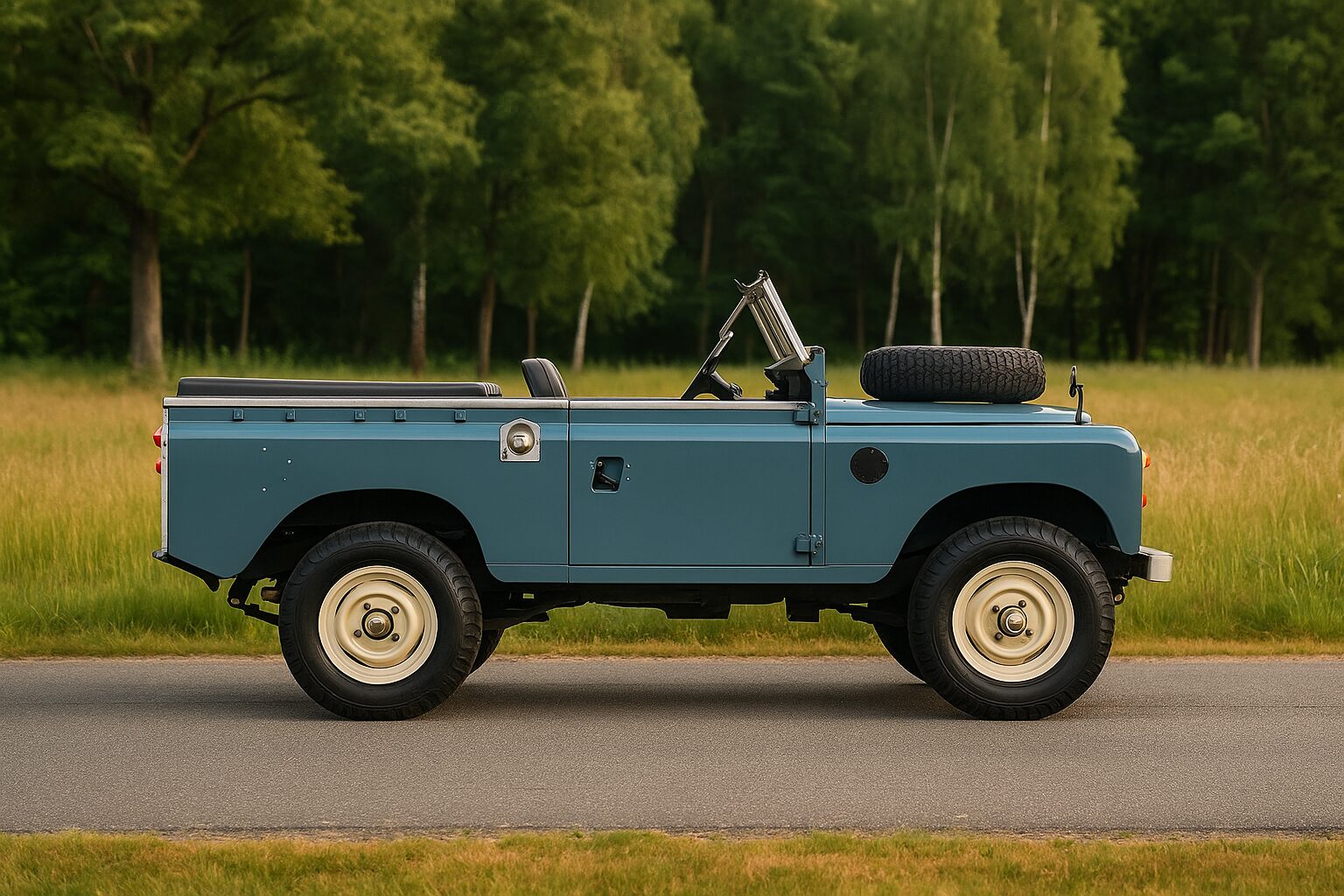
When it comes to rugged reliability and timeless design, few vehicles match the charm of the Land Rover Series models. Whether you’re a collector, off-road enthusiast, or just nostalgic for classic 4×4 engineering, these iconic vehicles offer unmatched character.
In this article, we’ll explore what makes this old Landy so special, how it evolved, and why investing in a restored classic might be one of the most fun and rewarding investments as an automotive enthusiast.
The Origins of this Old Land Rover
The Land Rover lineage began with the Series I in 1948, when it was first introduced at a car show in Amsterdam. It was built to solve the shortage of vehicles the post WWII era. At the time, resources were drained and there was a demand for vehicles that would aid people of agriculture work as well as for transporting heavy goods. Being very small compared to today’s standards of vehicles, this utility vehicle built it’s reputation around grit, capability and consistency.
In the decades that followed, the brand evolved through the Series II, Series III. The iterations focused on improvements in the exterior at first, such as hiding parts of the chassis that were visible, making the build more curvy and moving the headlights to the wings instead of the top of the grill. The following round of updates focused on the interior components and finally the mechanical components. The final manufactured version of the Series has seen a 2.5L petrol engine, which had a mellow growl that makes you turn your head despite it’s lower performance compared to today’s standards.
Key Features That Made this Classic Unique
- The body of these builds was primarily made of aluminum, specifically an aluminum-magnesium alloy called Birmabright. This was a deliberate design choice in post WWII Britain due to steel shortages and the desire to create a lightweight vehicle. The use of aluminum also contributed to the vehicles’ corrosion resistance.
- It has solid axcels and coil springs that made the vehicle a great choice for rocky trails, muddy terrain… Perfect for agriculturing.
- The mechanical system, including the transmission were easy to maintain and fix.
- Body-on-frame chassis ideal for customization and strength. This ladder chassis body type was used the same in the Land Rover Defender configurations as well.
Why these Vehicles Still Have a Cult Following?
Classic Design with Timeless Appeal: In today’s auto industry, many brands are losing the distinct design elements that once set them apart. An Audi can look strikingly similar to a Volkswagen from the front, a VW pickup might resemble a Ford Ranger, and some Hyundai EVs borrow heavily from Porsche’s styling. But for many people, owning a vehicle is about more than just getting from point A to point B — it’s about identity. It’s the feeling of being part of something truly unique. Knowing that maybe only 5 out of every 1,000 people own the same car adds to the emotional connection and the timeless appeal of classic designs.
Customization and Restoration Options: One of the biggest advantages of owning the classic Land Rovers, including both the Series or Defender models is their customizability. As we mentioned above, these vehicles have a body on frame style of construction, meaning they are eligible to be comletely stripped off of their chassis and have a restored body, renewed and/or upgraded drivetrain components, interior and more.
Phoenix Restorations, we specialize in restoring Series models while preserving the original style. We’ve worked on everything from full chassis galvanization to compact v8 engine upgrades for these builds in the past. We do have many builds available for order, customization ready to go.

What to Look For when Purchasing
We highly recommend working with a professional when it comes to sourcing these vehicles, as they have, on average 50 years on them. However, for those wanting to find and buy their build, rust is the biggest enemy. Always inspect the frame, especially around the bulkhead and rear crossmember. Restorers often opt for a galvanized chassis, which prevents corrosion for decades. Our Heritage blue series III that we’ve sold recently has gone through a complete galvanization process through dipping the chassis into molten zinc. This provides significant protection against rust and corrosion.
Original vs. Upgraded Components
Some purists prefer to keep their Series as close to original as possible, preserving the factory engine and interior. Others embrace upgrades such as LS3 V8 engine conversions, custom leather upholstery, LED lighting and roof racks. In our view, the best approach is to strike a balance between authenticity and practicality, especially if you plan to enjoy your classic on the road regularly.
Are they a Good Investment?
Yes, Land Rover Series and Defender values have generally been increasing, especially in recent years, with some models appreciating significantly. This trend is driven by a combination of factors including increased demand, limited supply, and the vehicles’ iconic status as classic off-road vehicles.
Conclusion: The Classic Series is More Than Just a Car
Owning a Land Rover Series model is about owning a piece of automotive history. With rising demand, strong resale value, and unlimited customization potential, now is the perfect time to invest in one—whether you’re restoring it yourself or buying from trusted professionals.
2 Responses
How much would the blue Landrover series III pictured above retail for, if you guys sourced the car from scratch. Thanks.
Good day, and thank you for your message. We currently have one fully restored Land Rover Series III, turnkey and ready to go. The restoration was completed in August 2025, and the vehicle has been carefully maintained since. The retail price is $65,000. Please email us at contact@thephoenixrestorations.com, and I’ll be happy to share detailed photos of the build along with its full spec sheet.